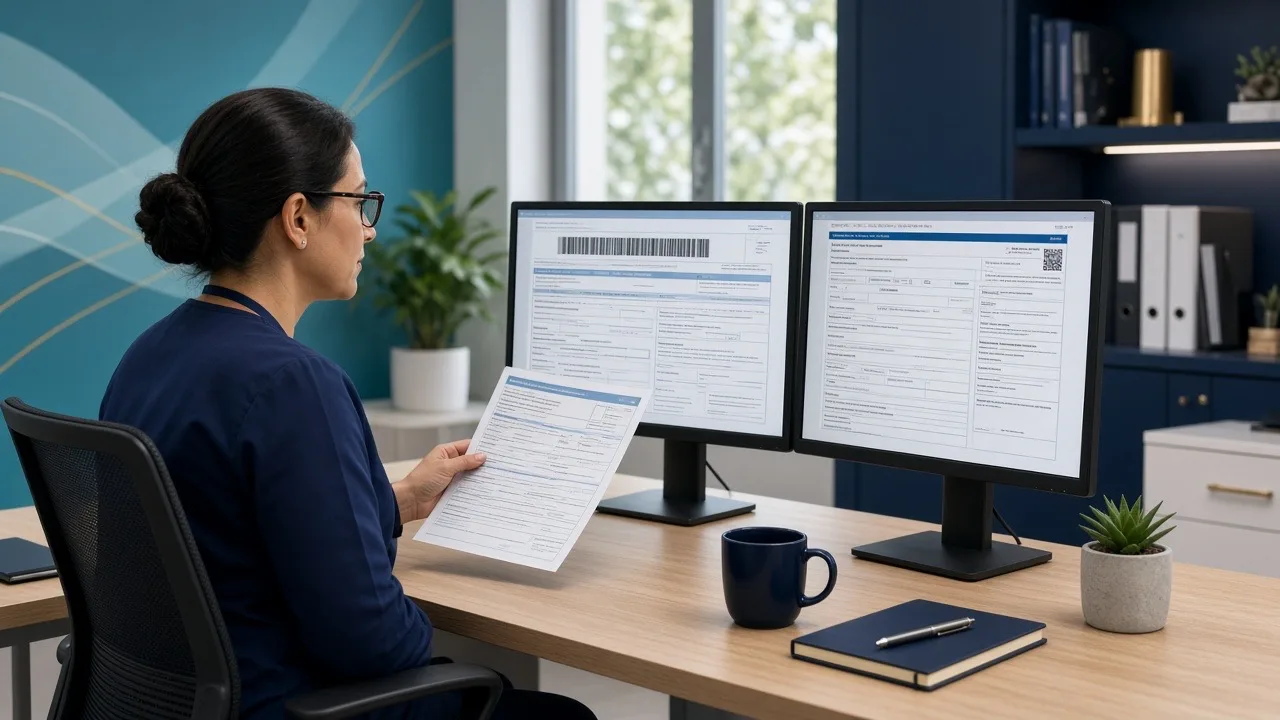
A paid claim is not always a correctly paid claim. Underpayments hide in remittances that look closed while dollars quietly disappear.
Most practices watch denials closely. Fewer compare every payment against the contracted rate. That gap is expensive. Industry estimates often put payer underpayments and related leakage in the mid-single to low-double digits of expected reimbursement, and much of it never appears on a denial report because the claim was paid, just not paid correctly.
This guide explains what underpayment recovery in medical billing means, how to find underpaid claims, and how to build a practical workflow that recovers money and stops the same variances from repeating.
Quick Answer
Underpayment recovery compares what the payer paid against what the contract says you should have been paid, then disputes shortfalls before recovery windows close.
A strong underpayment process should:
- Map payer contracts and fee schedules in one place
- Compare ERA or EOB payments to expected allowed amounts by CPT and modifier
- Flag rate variances, missing add-ons, and incorrect adjustments
- Prioritize high-dollar variances with open dispute deadlines
- Submit corrected claims or contract-based reconsideration requests
- Track recovered dollars by payer and root cause
- Feed contract and posting issues back into billing and A/R workflows
Denial management recovers refused claims. Underpayment recovery recovers short-paid claims.
Table of Contents
- What Underpayments Are
- Denial vs Underpayment
- Why Underpayments Matter
- Underpayment Recovery Workflow
- Underpayment Recovery Checklist
- When Support May Help
- FAQs
What Are Underpayments in Medical Billing?
An underpayment happens when a payer reimburses less than the contracted or expected amount for a covered service. The claim may show as paid and zero-balanced in the practice management system, which makes the shortfall easy to miss.
Common underpayment patterns include:
- Payment below the contracted fee schedule rate
- Incorrect or outdated rate tables
- Missing payment for add-on codes or modifiers
- Incorrect bundling or unbundling
- Wrong place-of-service or facility rates applied
- Contractual adjustments posted without verification
- Partial payments that should have been paid in full under the contract
Underpayments sit next to other revenue integrity issues like charge capture gaps and aged A/R. Related reading: denial management, how to reduce days in AR, and what revenue cycle management is.
Denial vs Underpayment: Why Teams Miss the Difference
Denials are refused payments. They usually create workqueues, reason codes, and obvious follow-up tasks.
Underpayments are short payments. The remittance may look successful. Staff post the payment, write off the remainder as contractual, and move on. If nobody compares paid amount to expected amount, the variance becomes permanent revenue loss.
That is why clean claim rate and denial rate alone are not enough. A practice can have strong first-pass acceptance and still lose money on paid claims. Pair underpayment review with clean claim rate improvement and claim denial reduction for a fuller revenue integrity view.
Why Underpayment Recovery Matters for Cash Flow
Underpayments hurt in three ways:
- Silent leakage: shortfalls hide inside "paid" claims
- Deadline risk: dispute and reconsideration windows close while nobody is looking
- False reporting: collections look healthy while net revenue is below contract
Even small variances add up. A repeated $40 underpayment across hundreds of visits can outperform a handful of large denials in total lost dollars. High-volume specialties and multi-payer panels are especially exposed when fee schedules change and posting teams do not recheck expected amounts.
Strong underpayment recovery also protects contract value. If payers consistently pay below terms and nobody challenges it, the practice effectively accepts a lower rate without renegotiation.
How to Build an Underpayment Recovery Workflow
1. Organize Contracts and Expected Rates
Start with a usable contract library. For each major payer, document:
- Effective dates and renewal terms
- Fee schedules by CPT or code group
- Modifier rules and carve-outs
- Bundling policies that affect payment
- Escalators, multiple-procedure reductions, and place-of-service differences
Without a reliable expected amount, payment posting teams cannot tell a true contractual adjustment from an underpayment.
2. Compare Remittances to Expected Payment
After ERAs or EOBs arrive, compare line-level paid amounts to the expected allowed amount. Flag:
- Paid amount below contracted rate
- Missing line items that should have paid
- Adjustments that do not match the contract explanation
- Rate changes that do not match the effective date
Manual review works for small volumes. Higher claim volume usually needs clearinghouse tools, contract management software, or a billing partner that runs variance reports daily.
3. Separate True Contractual Write-Offs from Recoverable Variances
Not every shortfall is recoverable. Sort variances into:
- Expected contractual adjustment: payment matches contract; write-off is correct
- Recoverable underpayment: payment is below contract or missing a payable line
- Needs research: documentation, eligibility, or coding may explain the shortfall
- Patient responsibility: deductible, coinsurance, or non-covered balance belongs to the patient
This step prevents staff from appealing amounts that were never owed or writing off amounts that should have been collected from the payer.
4. Prioritize by Dollars and Dispute Windows
Work underpayments like denials: value and deadline first. Prioritize:
- High-dollar variances
- Claims near the payer's reconsideration or corrected-claim deadline
- Repeat variances from the same payer or code family
- Patterns that suggest a fee schedule load error
A systemic rate error across one payer can recover more than chasing isolated low-dollar claims one by one.
5. Take Action With Complete Documentation
Depending on the payer and reason, recovery may require:
- Corrected claim submission
- Reconsideration or payment dispute request
- Contract citation and fee schedule evidence
- Clinical documentation when medical necessity or coding is involved
- Payer portal follow-up and call notes
Be specific. Generic "please reprocess" letters recover less than requests that cite the CPT, date of service, paid amount, expected amount, and contract term. Radiant RCM's Medical Billing Services and Medical Coding Services support practices that need help validating codes, remittances, and recovery packages.
6. Track Recovery and Root Causes Weekly
Measure what matters:
- Identified underpayment dollars
- Recovered dollars and recovery rate
- Average days from payment post to dispute filing
- Top payers and CPTs driving variances
- False positives that waste staff time
Use the report to fix upstream issues. If one payer's rates are wrong in the system, correct the fee schedule. If modifiers are routinely ignored, review coding and claim scrubbing. If patient balances are misposted, tighten eligibility and collections. See insurance eligibility verification and patient collections.
7. Connect Underpayment Review to Broader Revenue Integrity
Underpayment recovery works best next to:
- Denial management for unpaid claims
- Charge capture checks for services never billed
- A/R follow-up for unpaid balances
- Credentialing and enrollment checks when payer edits suppress payment
Radiant RCM's Revenue Cycle Consulting helps practices connect payment variance trends to process fixes across billing, coding, contracts, and A/R.
Underpayment Recovery Checklist
Use this checklist to keep underpayments from becoming permanent write-offs:
- Maintain current fee schedules for major payers
- Compare ERA or EOB payments to expected allowed amounts
- Do not auto-write off variances without review
- Log payer, CPT, variance amount, and reason
- Prioritize by dollars and dispute deadline
- Submit corrected claims or contract-based disputes with evidence
- Document follow-up dates and payer responses
- Track recovered dollars weekly
- Fix fee schedule and posting errors at the source
- Review repeat underpayment patterns by payer every month
When Outside Support May Help
Your practice may need underpayment recovery support when:
- Staff posts payments but never checks against contracts
- Contractual adjustments are accepted without review
- Recovery windows close before variances are researched
- One or two payers dominate unexplained shortfalls
- Leadership cannot see recovered dollars by payer and code
- Billing volume is too high for manual line-by-line review
Radiant RCM supports healthcare practices with medical billing, coding, denial management, underpayment review, credentialing, and revenue cycle consulting.
Sensitive patient and insurance information should only be shared through approved and secure channels. Learn more about Radiant RCM's HIPAA compliance and information-handling approach.
Final Thoughts
Underpayment recovery in medical billing protects the revenue your contracts already promised. Denials get attention because they look like failures. Underpayments get ignored because they look like success.
Compare every material payment to the expected amount. Dispute shortfalls with evidence. Track the dollars you recover. Then fix the fee schedules, coding rules, and posting habits that created the variance. That is how practices stop silent leakage without waiting for the next rate cut.
If your practice is leaving money on paid claims, Radiant RCM can help. Request a demo to see how our team supports underpayment recovery and stronger revenue cycle performance.
Frequently Asked Questions
What is underpayment recovery in medical billing?
Underpayment recovery is the process of finding claims paid below the contracted or expected amount, disputing the shortfall, and recovering the difference before payer deadlines expire.
How is an underpayment different from a denial?
A denial is a refused payment. An underpayment is a short payment on a claim that was otherwise processed. Underpayments often look closed in the billing system, which is why they are harder to spot.
How do practices find underpaid claims?
Practices find underpayments by comparing remittance payments to contracted fee schedules and expected allowed amounts by CPT, modifier, and place of service, then researching variances that do not match the contract.
How quickly should underpayments be worked?
Work underpayments as soon as remittances are posted. Many payers limit reconsideration or corrected-claim windows, so delays turn recoverable shortfalls into permanent write-offs.
What documents help recover underpayments?
Useful documents include the ERA or EOB, original claim details, fee schedule or contract language, coding support when needed, and a clear statement of paid versus expected amount.
Can outsourcing underpayment recovery improve collections?
Yes. A billing partner with contract-aware payment review can identify more variances, protect dispute deadlines, and give leadership clearer reporting on recovered dollars by payer.
Privacy Notice: Please do not submit patient records, insurance information, medical details, claim files, or other protected health information through the public website form. Review the Radiant RCM Privacy Policy before submitting an inquiry.
This article provides general operational information. Contract terms, dispute windows, fee schedules, and payer policies differ by plan, specialty, and state. Confirm current payer requirements and internal compliance processes before changing your workflow.