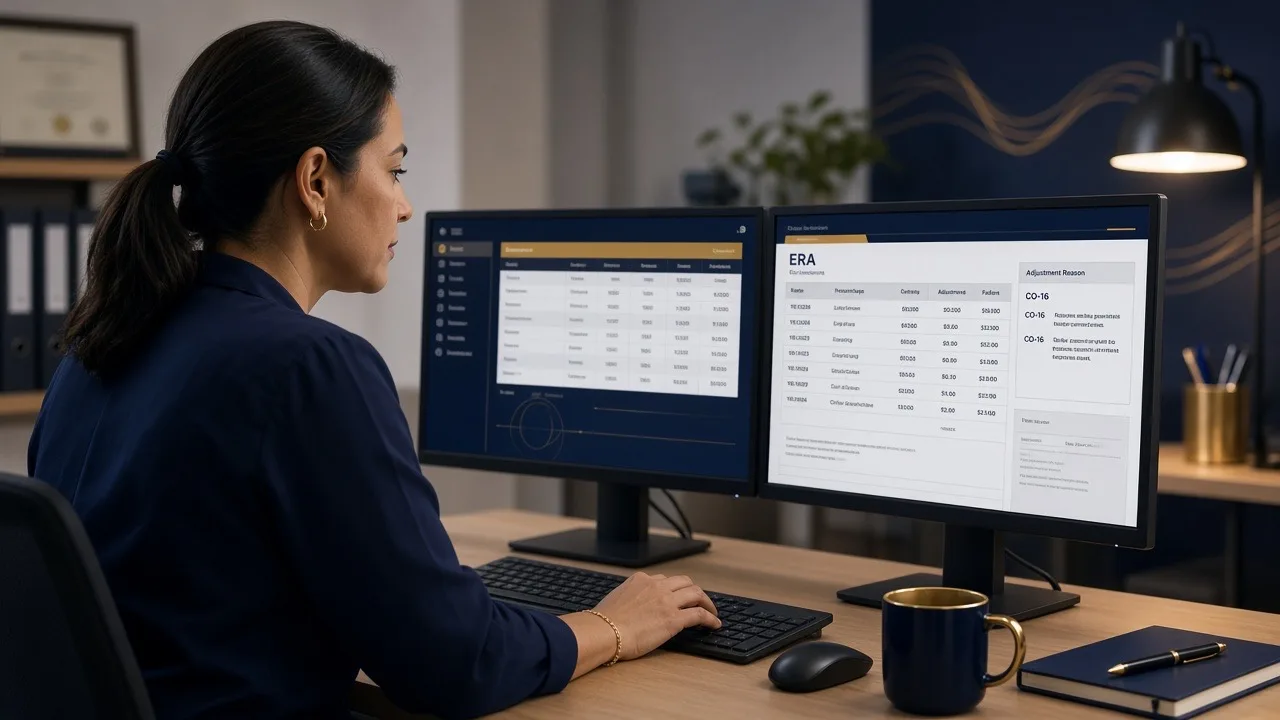
Prior authorization is no longer a back-office task. It is a front-door revenue and patient access issue that can delay care, trigger denials, and burn staff hours when the workflow is weak.
Many practices still treat authorization as something billing handles after the visit. That creates last-minute scrambles, missed payer deadlines, and claims that should never have been submitted without approval. A stronger process starts earlier, with clear ownership, better documentation, and tracking that does not depend on sticky notes.
This guide explains what prior authorization in medical billing means, when it is required, and how healthcare practices can build a workflow that protects revenue and keeps patients moving.
Quick Answer
Prior authorization is payer approval required before certain services, procedures, medications, or durable medical equipment are covered.
A strong prior authorization workflow should:
- Identify auth requirements at scheduling or order entry
- Verify active coverage and benefits before requesting approval
- Submit complete clinical documentation the first time
- Track auth numbers, effective dates, and visit or unit limits
- Confirm auth is on the claim before submission
- Renew or extend authorization before it expires
- Report auth-related denials and delays weekly
Authorization is not only a billing task. It connects scheduling, clinical documentation, coding, and claims.
Table of Contents
- What Prior Authorization Means
- When Authorization Is Required
- Why the Workflow Matters
- Prior Authorization Workflow
- Prior Authorization Checklist
- When Support May Help
- FAQs
What Is Prior Authorization in Medical Billing?
Prior authorization, also called preauthorization or precertification, is advance approval from a health plan before a service is delivered. The payer reviews medical necessity, plan benefits, and supporting documentation to decide whether the service will be covered.
Authorization can apply to:
- Imaging and advanced diagnostics
- Surgery and inpatient admissions
- Specialty drugs and infusions
- Physical therapy and behavioral health visits
- Durable medical equipment
- High-cost procedures in outpatient settings
Authorization is different from a referral. A referral usually confirms that a specialist visit is allowed. Prior authorization confirms that a specific service or item meets payer coverage rules. Both can be required on the same case.
Strong authorization work supports the full revenue cycle. Miss it and the claim may deny even when coding and eligibility are otherwise correct.
When Is Prior Authorization Required?
Requirements vary by payer, plan, specialty, and place of service. There is no single national list that fits every practice.
Authorization is commonly required when:
- The service is high cost or high utilization
- The payer has medical policy rules for the procedure or drug
- The provider is out of network or the plan has narrow network rules
- The service is elective or scheduled in advance
- The plan limits units, visits, or duration of care
Practices should maintain payer-specific auth lists for their most common services. Do not rely on memory. Payer policies change, and what was optional last quarter may be required now.
Pair auth checks with insurance eligibility verification so the team confirms both active coverage and auth rules before the visit.
Why Prior Authorization Workflow Matters
Weak authorization processes create problems across the practice:
- Denied claims: missing or invalid auth numbers are a top denial reason
- Delayed care: patients wait while staff chase approvals
- Staff burnout: phone queues and portal rework pile up
- Lost revenue: services are delivered without approval and later written off
- Patient dissatisfaction: surprise bills and rescheduled procedures
Authorization denials are especially painful because they are often preventable. See prior authorization denials for common failure patterns and how they differ from other denial types.
A clean auth workflow also supports clean claim rate and lowers pressure on denial management teams later.
How to Build a Prior Authorization Workflow That Works
1. Start at Scheduling or Order Entry
Do not wait until claim submission. When an order is placed or an appointment is booked, ask:
- Does this payer require authorization for this service?
- Is the rendering provider in network and enrolled with the plan?
- Is the diagnosis and planned procedure documented clearly enough to submit?
- What is the target date of service?
Flag high-risk services early so auth staff have enough lead time. Urgent cases need an escalation path, not the same queue as routine imaging.
2. Verify Coverage and Benefits First
Before submitting an auth request, confirm:
- Active coverage on the expected date of service
- Correct member ID and payer
- Primary versus secondary order
- Benefit limits that may affect approval
- Referral requirements if applicable
Submitting auth on the wrong plan wastes days. Enrollment issues can also block payment even when auth is approved. Review credentialing and payer enrollment when auth or payment problems cluster around one provider.
3. Submit Complete Clinical Documentation
Payers deny or pend auth requests when records are incomplete. Strong first submissions usually include:
- Relevant diagnosis codes
- Planned CPT or HCPCS codes
- Clinical notes supporting medical necessity
- Prior treatments tried and failed when required
- Lab or imaging results when policy requires them
- Provider NPI and facility details
Generic requests get generic denials. Tailor each submission to payer policy language and required forms.
4. Track Every Authorization in One Place
Each approved auth should be logged with:
- Authorization number
- Payer and member ID
- Approved CPT or service description
- Approved units or visits
- Effective start and end dates
- Rendering provider and location
- Staff owner and submission date
Store auth numbers where schedulers, clinicians, and billers can see them. If the front desk cannot confirm auth status, the workflow will break at check-in or claim submission.
5. Confirm Auth on the Claim Before Submission
Billing should verify that the claim includes:
- The correct authorization number
- The approved procedure or service
- Dates of service within the auth window
- Units within approved limits
A valid auth for one CPT code will not protect a claim for a different code. Match the approved service to what was delivered and billed. Radiant RCM's Medical Billing Services and Medical Coding Services help practices align auth, coding, and claim submission before denials happen.
6. Handle Denials, Pends, and Peer-to-Peer Reviews Quickly
Not every auth is approved on first submission. Build paths for:
- Additional documentation requests
- Corrected auth resubmission
- Peer-to-peer review with the ordering or rendering provider
- Appeals when medical necessity is supported
- Patient communication when auth is denied
Track turnaround time by payer. Slow payers may need earlier submission windows built into scheduling templates.
7. Renew Authorization Before It Expires
Long treatment plans often need extensions. Therapy, infusion, home health, and behavioral health are common examples. Set reminders before auth end dates so care is not interrupted and claims do not deny for expired authorization.
8. Report Auth Metrics Weekly
Leadership should see:
- Auth submissions by payer and service line
- Approval rate and average turnaround time
- Claims denied for missing or invalid auth
- Services delayed because auth was not started early enough
- Repeat issues by provider, location, or payer
Use the data to fix process gaps. If one location starts auth late, adjust scheduling rules. If one payer always pends imaging, submit earlier and with fuller notes. Radiant RCM's Revenue Cycle Consulting helps practices connect auth delays to broader workflow fixes across registration, billing, and A/R.
Prior Authorization Checklist
Use this checklist to reduce auth-related denials and delays:
- Identify auth requirements when the service is ordered or scheduled
- Verify active coverage and correct payer before submission
- Confirm provider enrollment and network status
- Submit complete clinical documentation the first time
- Log auth number, dates, units, and approved service
- Share auth status with scheduling and billing teams
- Confirm auth on the claim before submission
- Renew or extend auth before expiration
- Track pends, denials, and peer-to-peer outcomes
- Review auth metrics weekly and fix repeat issues
When Outside Support May Help
Your practice may need prior authorization support when:
- Auth requests start too late and delay patient care
- Staff spend hours on payer portals and phone follow-up
- Claims keep denying for missing or invalid authorization numbers
- No one owns auth tracking from scheduling through billing
- High-volume service lines need dedicated auth staff
- Leadership lacks clear reporting on auth turnaround and denial trends
Radiant RCM supports healthcare practices with prior authorization workflow support, medical billing, coding, eligibility review, credentialing, and revenue cycle consulting. Our Virtual Assistant Services can also help practices manage recurring auth follow-up and documentation tasks.
Sensitive patient and insurance information should only be shared through approved and secure channels. Learn more about Radiant RCM's HIPAA compliance and information-handling approach.
Final Thoughts
Prior authorization in medical billing works best when it starts early, travels with the patient record, and is verified again at claim submission. Treating auth as a last-minute billing task guarantees denials, delays, and frustrated patients.
Build payer-specific rules into scheduling. Submit complete documentation the first time. Track every approval through billing. Then use auth metrics to fix the gaps that keep coming back.
If prior authorization is slowing your team down, Radiant RCM can help. Request a demo to see how we support cleaner auth workflows and stronger billing performance.
Frequently Asked Questions
What is prior authorization in medical billing?
Prior authorization is advance approval from a health plan before certain services, procedures, medications, or equipment are covered. Practices obtain approval and use the authorization number on the claim when required.
When is prior authorization required?
Requirements vary by payer and plan. Authorization is commonly required for high-cost procedures, specialty drugs, imaging, inpatient admissions, therapy series, and other services listed in payer medical policies.
What is the difference between a referral and prior authorization?
A referral usually allows a patient to see a specialist. Prior authorization confirms that a specific service or item is medically necessary and covered under the plan before it is delivered.
Who should own prior authorization in a practice?
Ownership should be shared but coordinated. Scheduling or front office often starts the process, clinical staff supply documentation, and billing confirms the auth number is on the claim. One team should track status end to end.
How can practices reduce prior authorization denials?
Start auth early, verify coverage first, submit complete documentation, track approval details, match the approved service to the claim, and renew authorization before it expires.
Can outsourcing prior authorization help?
Yes. A billing or virtual assistant partner with dedicated auth workflows can reduce delays, improve approval rates, and free internal staff to focus on patient care and claim quality.
Privacy Notice: Please do not submit patient records, insurance information, medical details, claim files, or other protected health information through the public website form. Review the Radiant RCM Privacy Policy before submitting an inquiry.
This article provides general operational information. Authorization rules, medical policies, and payer requirements differ by plan, specialty, and state. Confirm current payer requirements and internal compliance processes before changing your workflow.